
How to plan what images you need for social media.
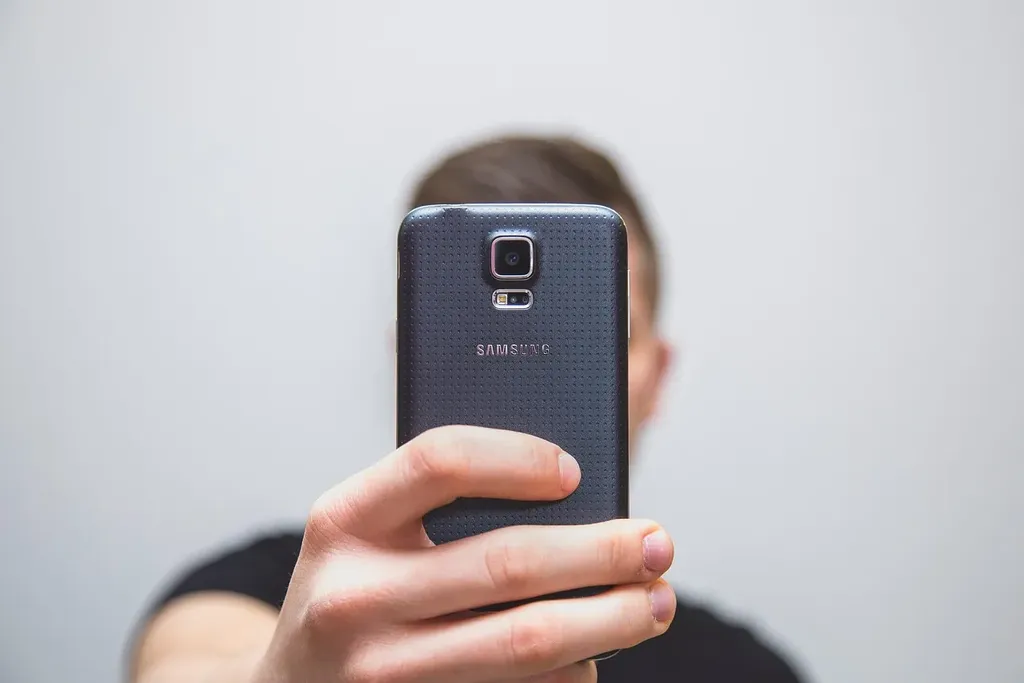
If you want to make an impact with your brand, then your social media needs to be a seamless representation of it. And that means planning and choosing the very best images to share online.
There’s no avoiding the major importance of social media when building or growing a business. It’s quickly become a given; if you want to be successful, you need to be “showing up” on social media and doing so with purpose and integrity. It’s no good just posting a sentence here and there. You need a strategy. And that strategy needs to include perfectly curated and impact driven images.
Over 95 million photos are uploaded to Instagram every single day. That. Is. Crazy. Mix that in with the fact that photos on Facebook have 2.3 x more engagement than text alone and the nifty insight that our visual cortex processes images 60,000 times faster than words and you’d be a fool to ignore their role in marketing.
Carefully chosen images are no longer a “nice to have”. They’re a necessity. But where do you start when planning what images you need for social media? I’m so glad you asked. I’ve put together my 4-step system for tying image into your social strategy.
Step 1 – Define your personality for each platform
No two social media platforms are the same, and so you need to consider how you want to be seen on each separate channel. While your overall brand will translate across every outlet, there will be subtle differences depending on your audience.
For example; does LinkedIn need to have a more corporate feel for your brand? Do you want Instagram to be all about the personality, brimming with the face behind the brand? Will you use Facebook to share more of your own content and so make use of graphics? These points are crucial when planning a personal branding shoot as they ensure you tick every box when it comes to getting what you need.
Step 2 – Look at what’s been working so far
Why reinvent the wheel when the goods are already there?
Spend a bit of time taking a deep dive into your social media analytics as they currently stand. What type of image elicits the strongest engagement rates? And which ones are a tad feeble in comparison?
Again, this will give you a great insight into the different audiences across your platforms. You might find that natural images of you bring about a big response on Instagram, but those that are more posed and structured collect the most click throughs on LinkedIn.
You’ll want to note down how stock images do versus your own images… whether branded (such as with your brand colour in a border, or your logo featured) shots do better than unbranded. Record as much information as possible and use it to drive forward your future planning.
Step 3 – Make use of all the tools available
There’s more to pulling together a visually exciting social media feed than your personal branding gallery alone. And while we would all love to have every single image we post as one that is professionally captured, that isn’t always possible.
So, next, decide:
What will your ratio of “human” photos be to “a bit of everything else’?
Will you use free stock photos?
Will you use paid stock photos?
Will you create your own graphics (using tool such as Canvas) or hire someone to create them for you?
Will your social media feed (particularly Instagram) follow a theme?
Asking yourself these questions will work wonders in pulling your thoughts together and formulating a clear structure. It will make every decision a conscious one, boosting your opportunities for engagement.
Step 4 – Choose your image goals
The round-up point: what goal do you want to achieve with each and every post? Whether you’re posting an image of yourself, a “live” shot from an event or a gorgeous graphic, you need to know what your goal is.
Do you want to inspire? If so, will you choose images that are bold and attention grabbing, brimming with confidence?
Do you want to connect? Should you be posting predominantly human-based, “real life” images?
Do you want to educate? Will you take a more formal approach with your images, relying more on text and videos than anything else?
This will be driven entirely by your brand story; which is why your brand and social media need to be intrinsically linked for ultimate success. Hand in hand they will emotionally connect with your audience, translate your business mission and deliver your core message.
“A good photograph is one that communicates a fact, touches the heart and leaves the viewer a changed person for having seen it. It is, in a word, effective.” – Irving Penn
You’d better not waste that opportunity!
To find out more about how I can support you with beautiful images that embody your brand, get in touch for a free chat.
SUBSCRIBE TO THE MAGAZINE
DIGITAL OR PRINT